






Brazilian Real Weakens Amid Fiscal Concerns and High Interest Rates
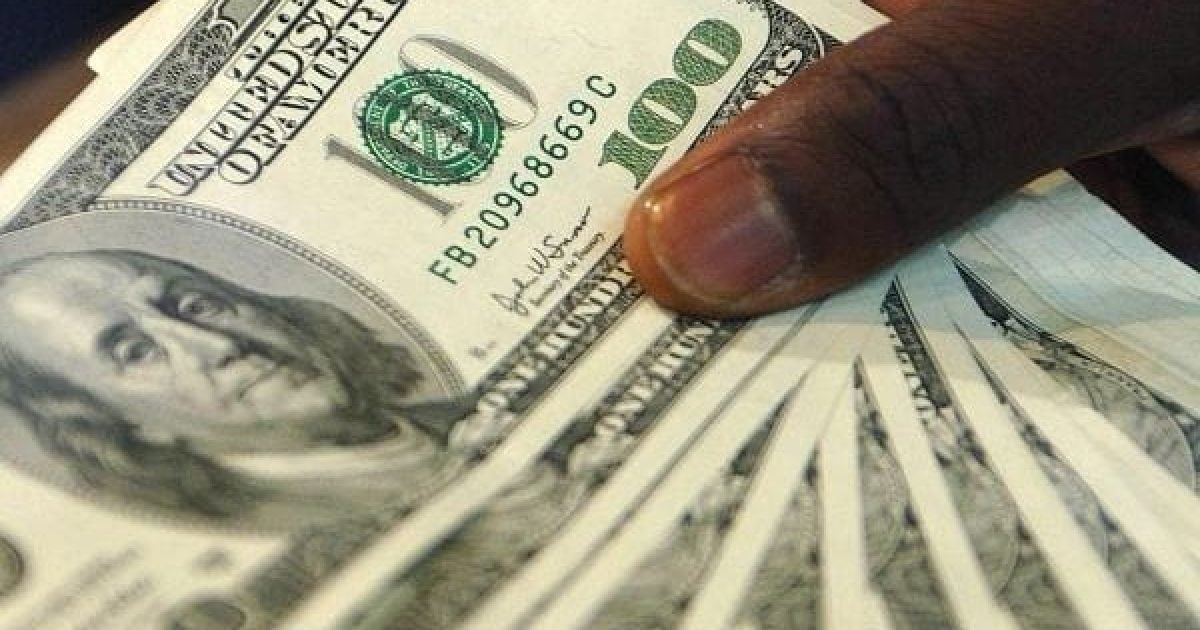
December 22, 2025 – The Brazilian real depreciated against the US dollar on December 22, reaching approximately 5.58 reais per dollar, according to market data from major tracking platforms. This marks a continuation of pressure on the currency throughout the month, reflecting broader investor unease over Brazil’s fiscal outlook and persistent inflationary risks.

The exchange rate movement comes as Brazil’s central bank maintains its benchmark Selic rate at 15%, the highest level in nearly two decades. The Monetary Policy Committee has held the rate steady for several meetings, emphasizing the need for a prolonged restrictive stance to anchor inflation expectations near the target range of 1.5%–4.5%. Analysts note that while high rates support carry trade appeal for the real, they are increasingly offset by elevated country risk premiums stemming from fiscal uncertainties.
At the heart of the currency’s weakness are ongoing doubts about fiscal discipline under the current administration. Market participants have expressed disappointment with recent fiscal measures, viewing them as insufficient to address rising public debt and projected deficits. The government’s fiscal framework aims for gradual primary surpluses, but independent projections suggest deficits persisting into 2026, potentially around 0.6% of GDP despite official targets for balance or modest surpluses.
Public debt as a share of GDP has climbed in recent years, with estimates placing gross debt near 78%–82% by 2026 if current trends continue. This trajectory is fueled by mandatory spending growth, interest burdens, and limited structural reforms ahead of the 2026 elections. A broader global risk-off environment, including falling commodity prices and elevated US yields, has compounded pressures on emerging market currencies like the real.
For businesses operating in Brazil, the weaker real raises import costs, potentially feeding into higher inflation and squeezing margins for companies reliant on foreign inputs. Conversely, it provides a competitive boost to exporters in sectors such as agriculture and manufacturing. Corporate credit growth has remained robust despite high rates, supported by rising incomes and fintech expansion, but tighter financial conditions could moderate activity in 2026.
Economists anticipate moderate GDP growth around 2% in the coming years, with inflation likely lingering near the upper end of the target band. The central bank’s hawkish posture signals vigilance, but convergence to lower rates may depend on credible fiscal consolidation. Investors will closely watch upcoming budget executions and policy signals for signs of stabilization.
In summary, while Brazil’s economy shows resilience in employment and certain sectors, the real’s depreciation underscores the challenges of balancing growth, inflation control, and fiscal sustainability in a high-interest environment. Market sentiment remains cautious, with currency volatility likely to persist until clearer progress on fiscal credibility emerges.
