







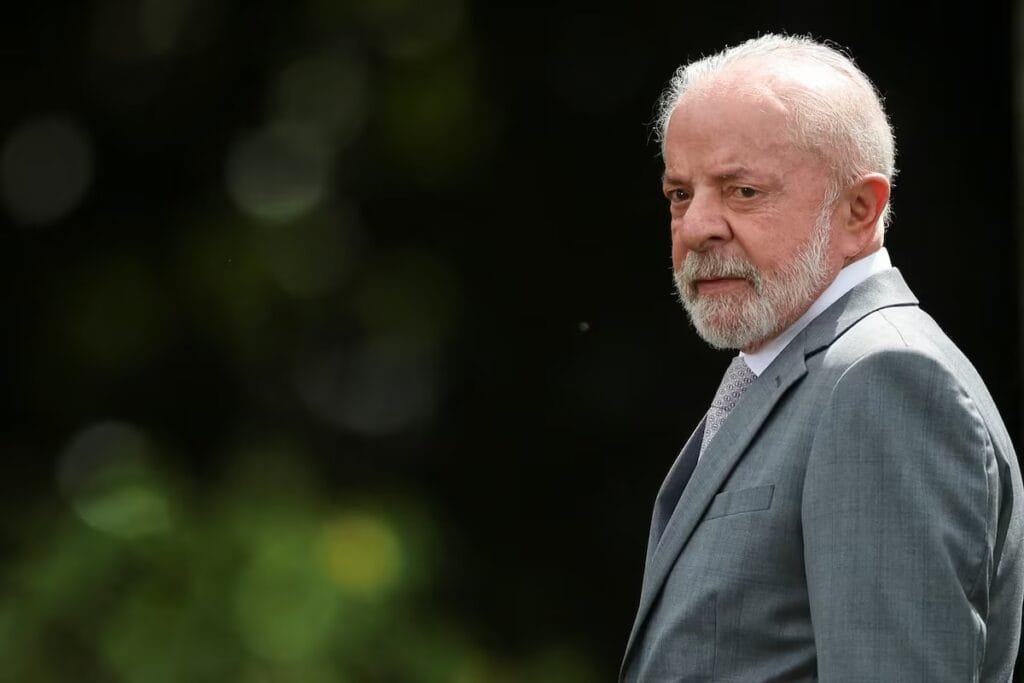
Lula’s Fiscal Legacy: A Reckless Path to Economic Peril
As President Luiz Inácio Lula da Silva’s third term draws toward its close in 2026, Brazil finds itself on the brink of a fiscal crisis that threatens the hard-won stability achieved since the 1994 Plano Real. Independent analyses paint a grim picture: the Lula administration is projected to deliver the highest average nominal fiscal deficit—around 8.2% to 9% of GDP from 2023 to 2026—surpassing every government in the post-Real era. This unsustainable spending spree, driven by expansive social programs and a reluctance to enact meaningful spending cuts, is ballooning public debt and setting the stage for severe economic challenges in 2027 and beyond.
The nominal deficit, which includes interest payments on the public debt, reflects the true cost of government borrowing. Under Lula, estimates from respected institutions like BTG Pactual indicate an average of 8.2% of GDP over his term, pushing gross public debt toward 86% of GDP by the end of 2026. Other economists, including Fabio Giambiagi, warn of averages as high as 9%, fueled by real-term spending growth of 12% in recent years without corresponding structural reforms. This trajectory diverges sharply from emerging market peers and erodes investor confidence, contributing to currency depreciation, higher interest rates, and inflationary pressures.
Critics from across the economic spectrum highlight the administration’s overreliance on revenue increases—through tax hikes and loophole closures—while shying away from trimming bloated mandatory expenditures, which now consume over 90% of the budget. The new fiscal framework, introduced in 2023 with promises of primary surpluses, has been repeatedly weakened, postponing targets and allowing spending floors that guarantee growth even in downturns. Primary deficits persist, and nominal shortfalls remain stubbornly high, around 8-9% of GDP annually.
The consequences are already evident: public debt has climbed from around 71% of GDP when Lula took office to nearly 78% today, with projections pointing to 82-86% by 2026. High interest rates—driven by fiscal laxity—crowd out private investment, stifle growth, and burden future generations. Without a course correction, the next administration, starting in 2027, will inherit a “cursed legacy” of entrenched imbalances: rising debt service costs, limited fiscal space for emergencies, and the risk of a partial government shutdown if discretionary spending collapses under mandatory obligations.
Conservatives have long argued that responsible governance demands fiscal discipline, prioritizing efficient spending, entitlement reform, and incentives for private enterprise over endless government expansion. Lula’s approach—prioritizing short-term populist measures at the expense of long-term stability—echoes failed policies of the past and undermines Brazil’s potential as a prosperous, free-market economy. As the 2026 elections approach, voters must demand accountability and a return to prudent fiscal management to avert deeper crisis. Brazil deserves leaders committed to sustainable prosperity, not reckless borrowing that mortgages the nation’s future.
