






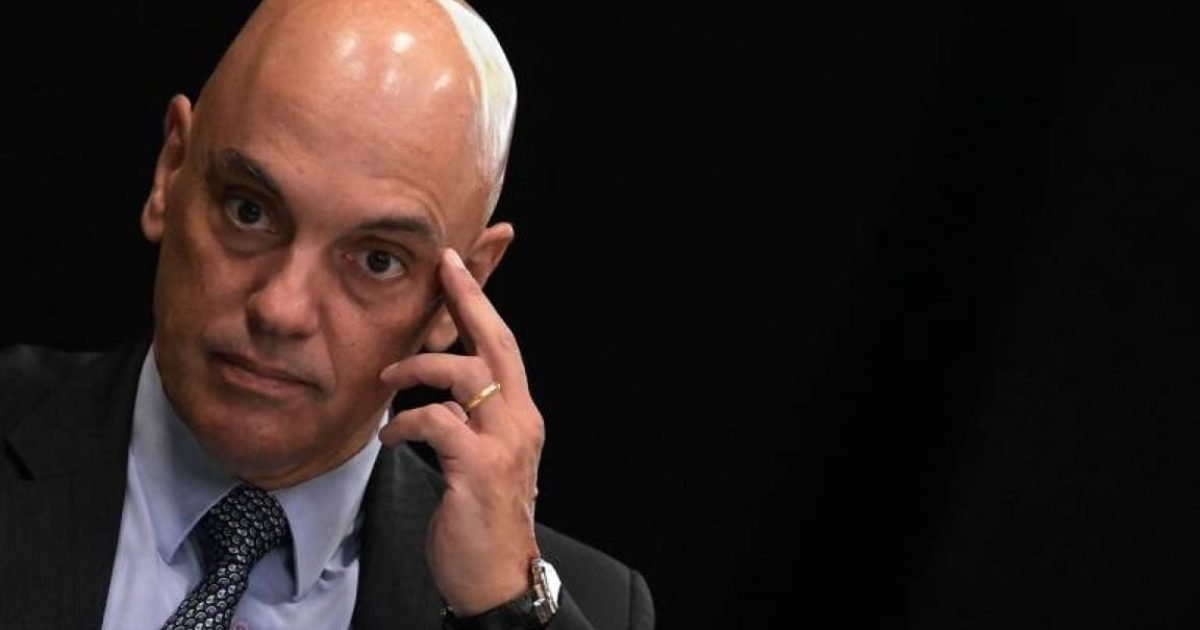
As 2025 draws to a close, the Banco Master scandal continues to expose the staggering double standards at the heart of Brazil’s judicial and political elite. What began as a routine bank liquidation has ballooned into a full-blown crisis for Supreme Court Justice Alexandre de Moraes, the very figure who has spent years positioning himself as the uncompromising guardian of Brazilian democracy.
Recent revelations confirm that Moraes personally contacted Central Bank President Gabriel Galípolo at least six times—including five calls in a single day—while the institution was investigating Banco Master for massive fraud and money laundering schemes. These interventions came as the bank, already under heavy scrutiny for risky investments involving public pension funds, teetered on collapse. Compounding the controversy, Moraes’s wife, Viviane Barci de Moraes, heads a law firm that secured contracts worth over R$129 million with the same troubled institution. Critics rightly ask: how can the nation’s top enforcer against corruption maintain credibility when his own household appears financially entangled with the targets of investigation?
The timing raises even more eyebrows. For years, Moraes wielded extraordinary power to censor social media, order arrests of journalists and politicians, and impose heavy fines—all in the name of combating “disinformation” and protecting institutions. Yet when the spotlight turns to his own conduct, calls for transparency are met with silence or deflection. President Lula, who only weeks ago boasted of personally intervening with Donald Trump to lift U.S. Magnitsky sanctions on Moraes, has remained conspicuously quiet as damaging details emerge.
From a conservative perspective, this saga reveals a deeper pattern: an unelected judicial elite convinced of its moral superiority, willing to bend or break rules for personal gain while demanding absolute compliance from everyone else. The same justice who froze assets and silenced critics over far less now faces credible allegations of improper influence-peddling. If ordinary Brazilians were caught making repeated calls to regulators about a company paying their family millions, investigations would have been launched overnight.
Meanwhile, the establishment media’s selective outrage speaks volumes. Outlets that once amplified every minor accusation against conservative figures now tread carefully, framing the story as complex or inconclusive. But the facts are straightforward: a powerful justice intervened on behalf of a failing bank linked to his family, and the public deserves answers.
As Brazil heads toward the critical 2026 elections, this scandal serves as a stark reminder. True rule of law requires accountability at every level—not just for political opponents or online critics, but for those who wield the greatest power. The Brazilian people have watched one set of rules applied to the many and another to the connected few for too long. The Banco Master affair isn’t just about one justice; it’s about whether Brazil will finally demand equal justice under the law.
s
