




Brazil-China Beef Trade Tensions: Alckmin’s Call and the 55% Tariff – Will Beef Get More Expensive?
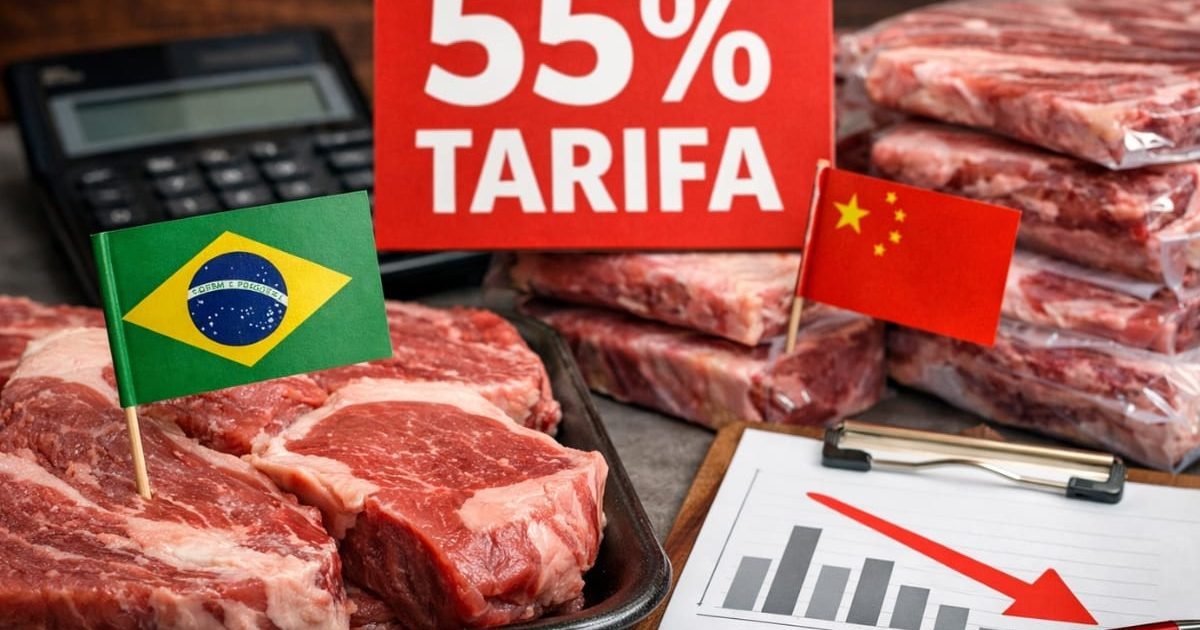
In late January 2026, Brazilian Vice President Geraldo Alckmin held a phone conversation with China’s Vice President Han Zheng to address growing concerns over Beijing’s new trade restrictions on imported beef. The discussion centered on a safeguard measure implemented by China on January 1, 2026, which imposes an additional 55% tariff on Brazilian beef exports exceeding a set annual quota of approximately 1.106 million tons (with slight annual increases planned for 2027 and beyond).
China, the world’s largest importer of beef and Brazil’s top buyer (accounting for billions in annual exports, often around $8-9 billion in recent years), introduced the quota-and-tariff system to protect its domestic industry. Officials cited surging imports and falling local beef prices as justification for the “safeguard” – a temporary three-year measure aimed at curbing what they describe as disruptive import volumes from major suppliers like Brazil, Australia, and the U.S.
Alckmin expressed Brazil’s worries during the call, highlighting the potential negative effects on bilateral trade relations and urging continued dialogue to find a balanced solution. The Brazilian government has framed the issue as a priority, with ongoing negotiations likely as part of broader efforts to maintain strong ties with its largest trading partner.
### Immediate Impacts on Brazilian Beef Exports
The quota is already reshaping the market. Brazil’s exports to China in 2025 reached record highs, but analysts now project a significant reduction– potentially 35% or more in volume/value terms for volumes exceeding the cap. Meatpackers and industry groups have warned of losses in the billions and are pushing for government support, including credit lines to help producers weather the storm.
Exporters face tough choices:
– Stay within the quota to avoid the 55% penalty (keeping shipments competitive but limited).
– Pay the steep extra tariff on excess volumes (making Brazilian beef much more expensive in China and likely reducing demand there).
This has led to reports of tighter availability for Chinese buyers and strategic shifts among Brazilian shippers.
### Will Beef Become More Expensive in Brazil?
The big question for Brazilian consumers: Will this lead to higher beef prices at home?
The answer is mixed, but the short-term outlook leans toward **possible downward pressure** rather than immediate increases – with longer-term risks of volatility.
– Bearish factors (cheaper beef possible): If Brazilian producers redirect significant volumes originally destined for China back to the domestic market, increased local supply could push prices down. Some analysts and reports from early January 2026 suggest this “overflow” effect might make beef more affordable for Brazilians in the coming months, especially if exports drop sharply without quick redirection to other markets (like the Middle East, Europe, or the U.S.).
– **Bullish factors (higher prices possible): Brazil’s beef industry is highly export-oriented, and China has been a premium, high-volume buyer. A sustained drop in export revenue could squeeze producer margins, leading some to reduce herd sizes or slow production over time. Combined with Brazil’s ongoing cattle cycle dynamics (potentially entering a tighter supply phase later in 2026), this could eventually support higher domestic prices. Additionally, if global competition intensifies or other export markets don’t fully absorb the redirected volumes, inefficiencies and costs could rise.
Industry voices are divided: Some see a temporary relief for consumers amid excess supply, while others warn of broader instability that could fuel inflation in protein prices down the line.
### Broader Context and Outlook
This isn’t isolated – it’s part of ongoing global trade frictions in agriculture. China has used similar safeguard tools before to manage import surges, and Brazil’s government (under President Lula) continues prioritizing diplomatic and commercial engagement with Beijing to mitigate impacts.
Alckmin’s conversation signals active efforts to negotiate exemptions, quota adjustments, or phased implementation. Meanwhile, producers hope for diversification to new markets and potential government aid.
For now, Brazilian shoppers might see some stabilization or even slight declines in beef prices in supermarkets if redirected supply hits the local market. But the full picture for 2026 remains uncertain – dependent on negotiation outcomes, export redirection success, and domestic production trends.
